The Role of the Embryo Culture Laboratory in IVF: From Fertilization to Blastocyst Culture
The embryo culture laboratory is a core technical platform in IVF. Fertilization, early embryo development, observation, assessment and cryopreservation all take place in this controlled environment.
The embryo culture laboratory is one of the most important technical platforms in an IVF cycle. Patients experience stimulation, egg retrieval and transfer on the clinical side, but eggs, sperm and embryos are handled in the laboratory. These laboratory steps determine whether the cycle can proceed to fertilization, embryo development, cryopreservation or transfer.
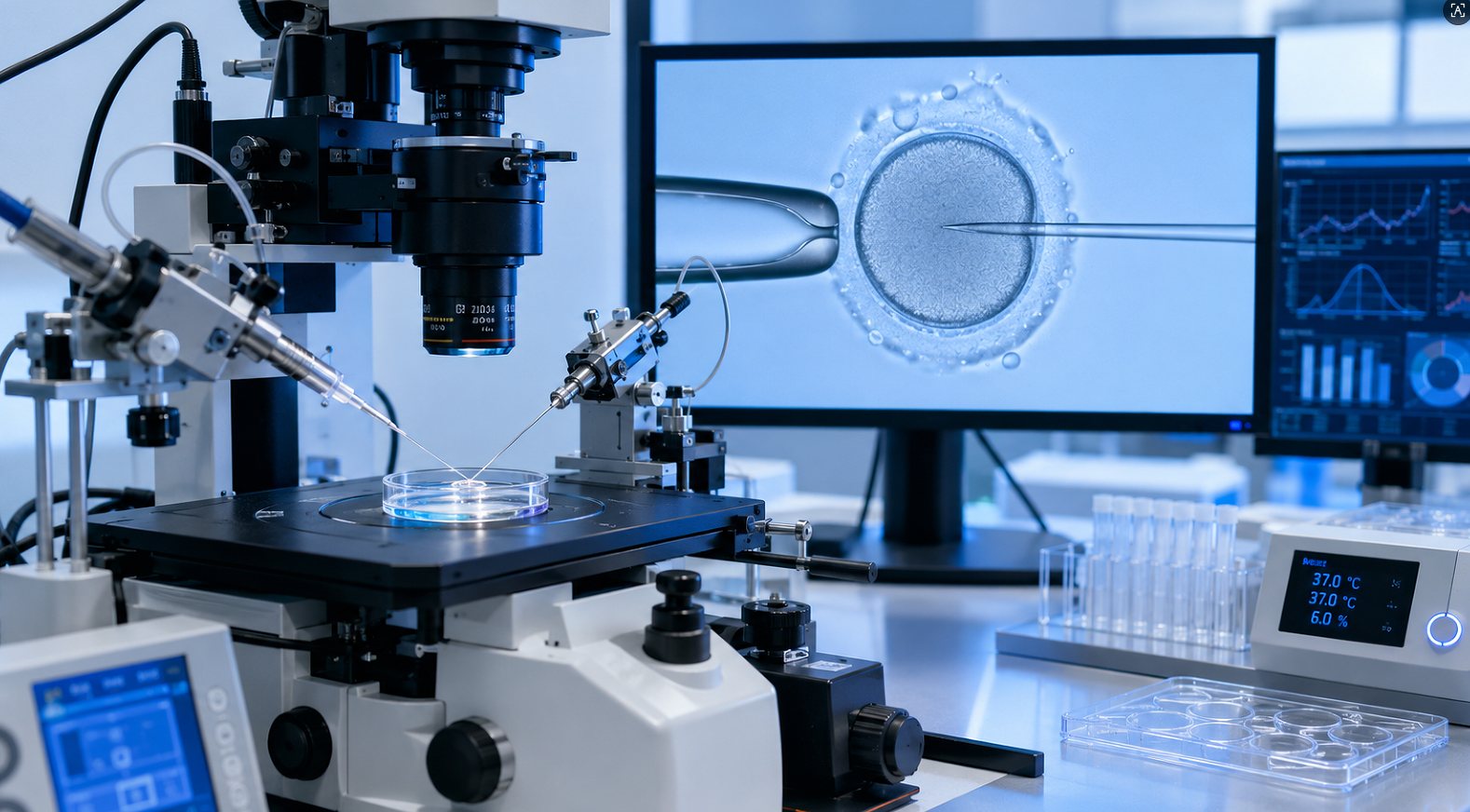
After egg retrieval, follicular fluid is sent to the laboratory. Embryologists identify oocytes under a microscope and assess their maturity and appearance. Depending on the treatment plan, fertilization may be performed through conventional IVF or ICSI.
Fertilization assessment is an important step. It is not assumed that all eggs fertilize normally. Embryologists check whether fertilization has occurred at the appropriate time and record the findings. If fertilization is lower than expected, possible factors may include egg quality, sperm quality, fertilization method, laboratory conditions or individual patient factors.
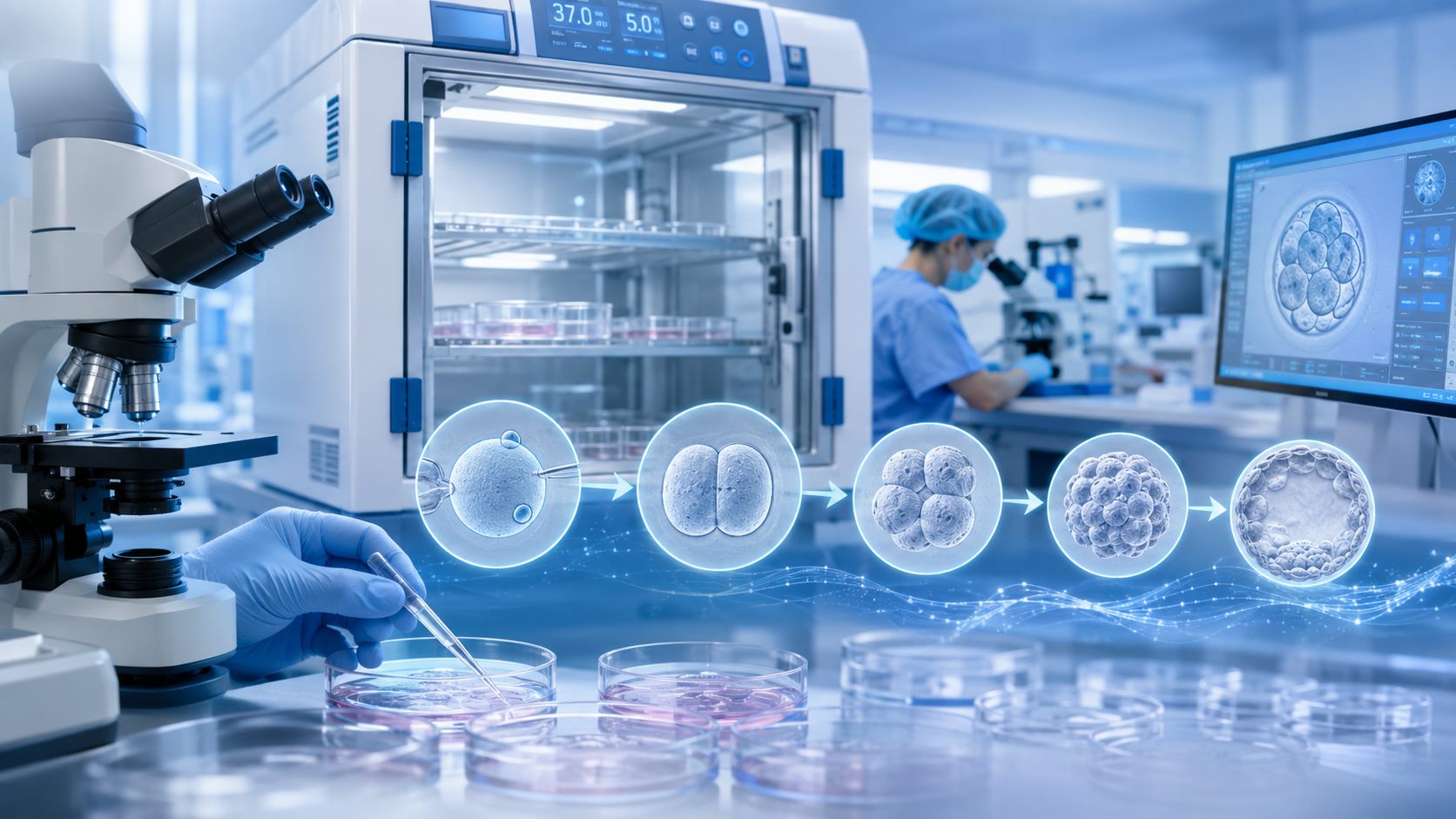
After fertilization, embryos enter early cleavage development. Embryologists observe cell number, division timing, fragmentation, symmetry and other morphological features. Embryo grading systems may vary, but the purpose is to help assess developmental potential.
Embryo grading is useful but not absolute. A good-looking embryo does not guarantee success, and a lower-grade embryo does not mean failure is certain. Grading should be interpreted as part of a broader medical decision.
Blastocyst culture refers to extended culture to around day 5 or day 6. It may provide more information about embryo development and is often linked to frozen embryo transfer or preimplantation genetic testing workflows. However, blastocyst culture is not suitable for every patient. If embryo numbers are limited, the decision should be individualized.
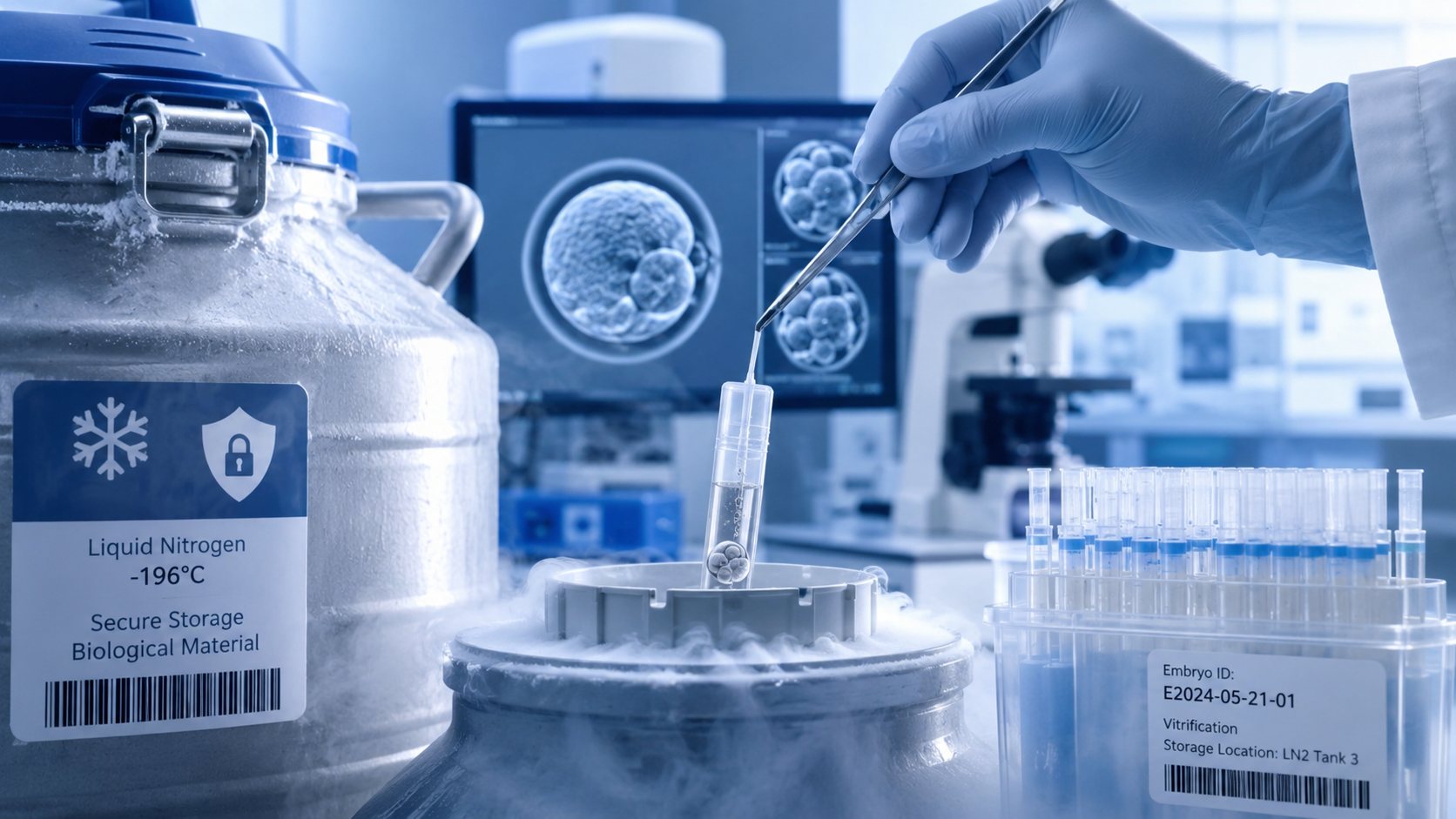
A high-quality laboratory maintains detailed records, including oocyte number, mature oocytes, fertilization method, normally fertilized embryos, embryo development, freezing, thawing and transfer. These data are important for cycle management and quality improvement.
Patients may ask what embryo grading means, whether blastocyst culture is recommended, whether freezing is appropriate and whether genetic testing is relevant. These decisions should be made in consultation with qualified professionals.
The embryo culture laboratory plays a central role in IVF, not only through technical procedures but also through documentation, traceability, communication and quality improvement. This article is for educational purposes only and does not constitute medical advice.
This article is published by the WFA knowledge editorial team for informational purposes only and does not constitute medical advice. Please consult a licensed healthcare provider in your jurisdiction for clinical guidance.