
Why IVF Laboratory Quality Control Matters: Embryo Culture Environment and Safety Management
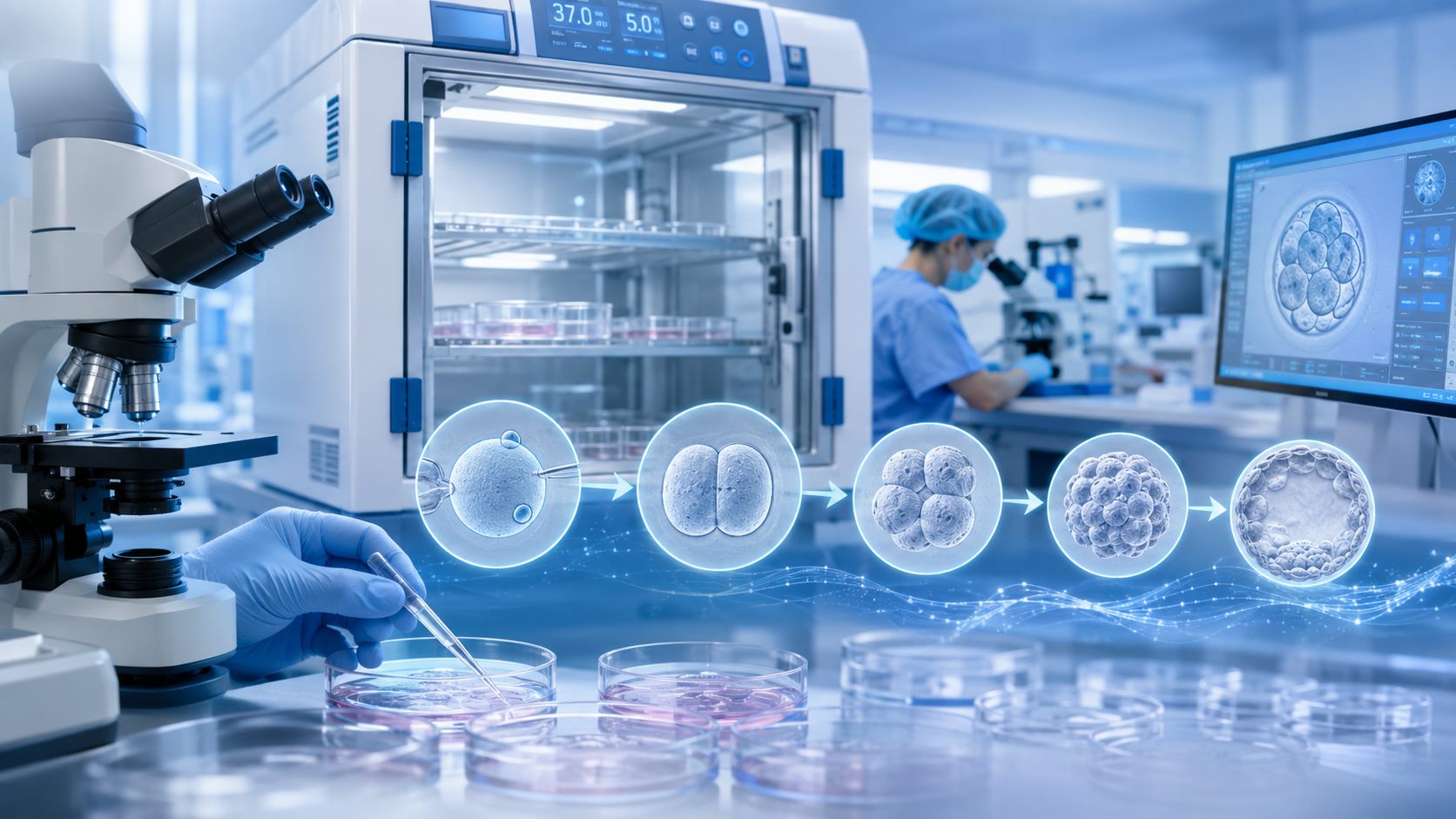
An IVF laboratory is a highly sensitive environment where eggs, sperm and embryos are handled during critical stages. Quality control covers air, temperature, gases, culture media, consumables, staff, documentation and traceability.
IVF laboratory quality control is one of the most important but often least visible parts of assisted reproduction. Patients often focus on physician experience, stimulation protocols and embryo transfer, but eggs, sperm and embryos spend critical time in a specialized laboratory environment. This environment must be stable, controlled and traceable.
An IVF laboratory is not a routine testing laboratory. It is a highly sensitive space where reproductive cells and embryos are handled during important developmental stages. Quality control includes staff training, equipment maintenance, air quality, temperature control, gas concentration, culture media, consumables, identity verification, documentation, incident management and continuous improvement.
Eggs and embryos are sensitive to environmental changes. Temperature fluctuation, pH change, gas instability, volatile organic compounds, excessive light exposure or poor media handling may affect laboratory stability. High-quality IVF laboratories therefore monitor air, temperature, humidity, cleanliness and workflow.
Air quality is a major consideration. Cleaning chemicals, construction materials, perfumes, disinfectants and some plastics may release volatile substances. A mature IVF laboratory usually uses dedicated air handling systems and limits unsuitable materials in core areas.
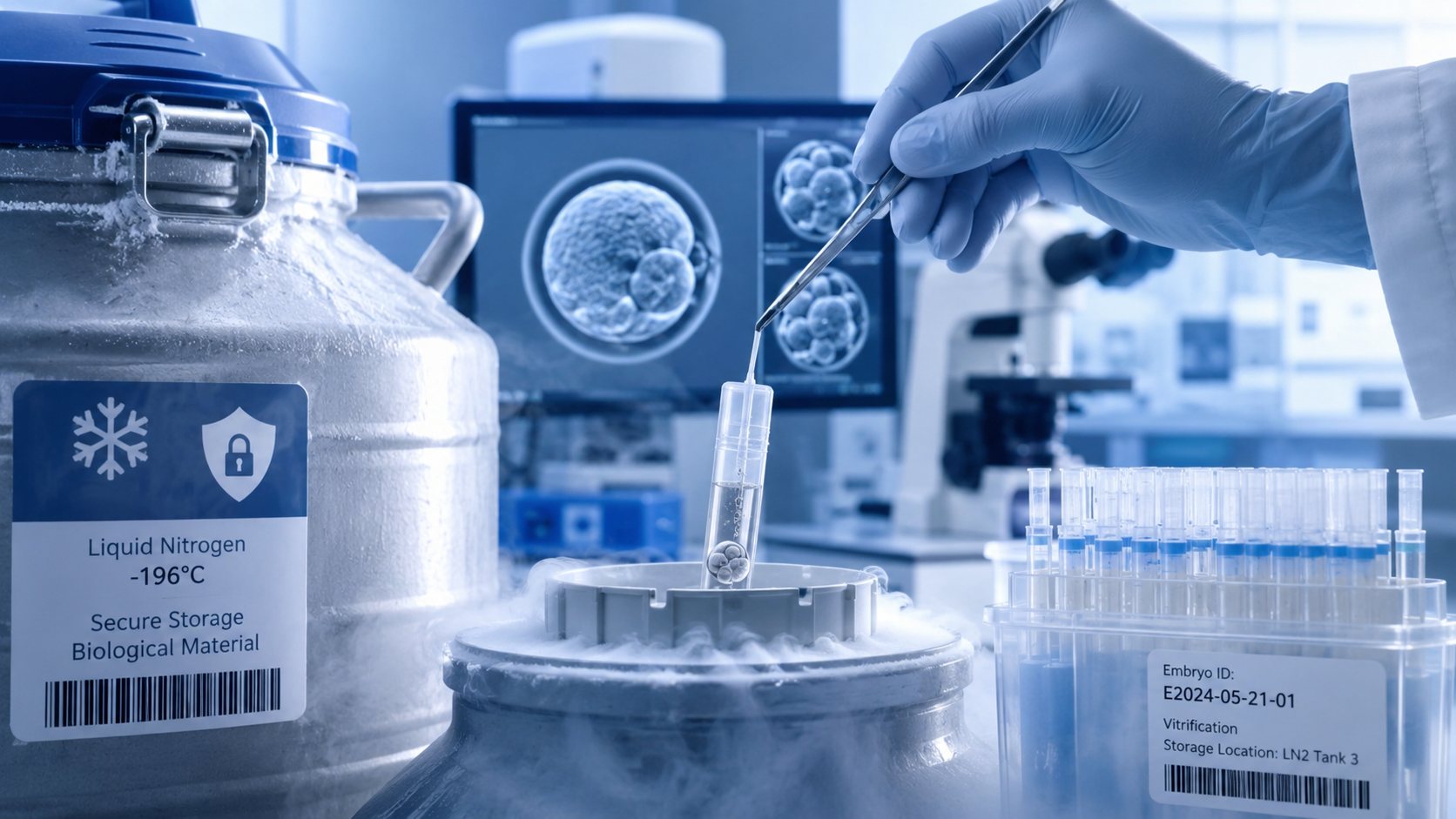
Traceability is another foundation. Every step, including egg retrieval, sperm preparation, fertilization, culture, freezing, thawing and transfer, should be documented and verified. Double witnessing, electronic witnessing, barcodes or RFID systems may be used to reduce identity-related risks.
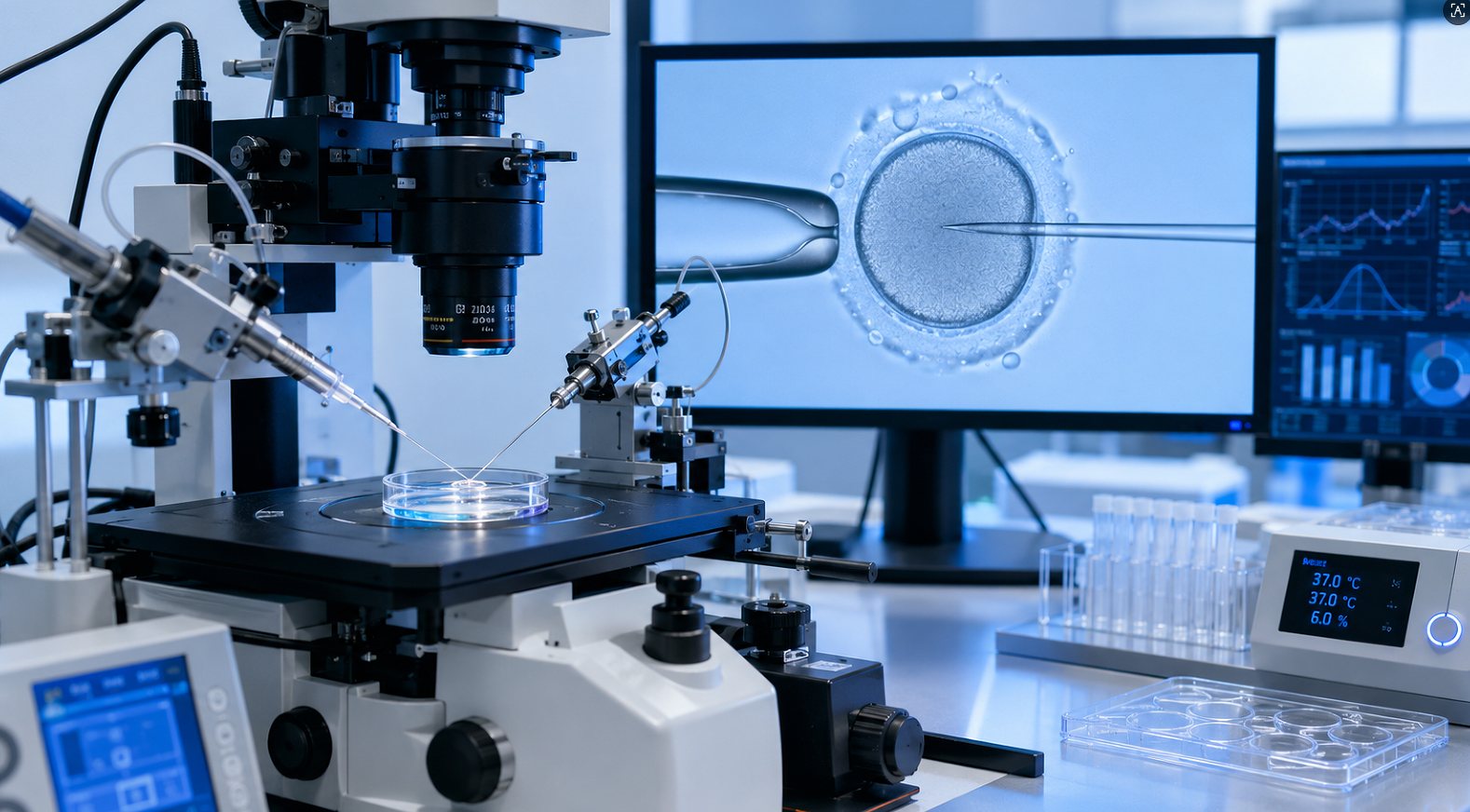
Equipment and consumables also require careful management. Incubators, microscopes, micromanipulation systems, cryostorage systems, gas supplies and backup power should be maintained and documented. Culture media and disposables should be tracked by batch, expiry date and storage condition.
Patients may ask clinics how the laboratory manages quality, sample identification, incubator monitoring, cryostorage and abnormal events. Clear answers can indicate a more transparent quality culture.
IVF laboratory quality control is not a background technical detail. It is a core part of safe and responsible fertility care. This article is for educational purposes only and does not constitute medical advice.
This article is published by the WFA knowledge editorial team for informational purposes only and does not constitute medical advice. Please consult a licensed healthcare provider in your jurisdiction for clinical guidance.