Embryo Thawing Workflow and Laboratory Quality Management Before Frozen Embryo Transfer
Before frozen embryo transfer, embryos must be warmed in the laboratory. The process involves not only technical handling but also identity verification, storage location confirmation, timing, assessment and clinical coordination.
Embryo thawing, also called embryo warming, is a key laboratory step before frozen embryo transfer. Patients often focus on the transfer day, but the preparation, verification, warming procedure and assessment are equally important.
Embryos stored at low temperature are maintained in a stable state. The goal of warming is to remove the embryo from cryostorage and gradually return it to conditions suitable for culture and possible transfer. This requires technical skill, identity verification, timing and communication with the clinical team.
Before warming, the laboratory must confirm patient identity, embryo number, freezing date, embryo stage, storage location and transfer plan. Any inconsistency should be resolved before the procedure. Cross-border patients and patients with multiple treatment records require especially careful verification.
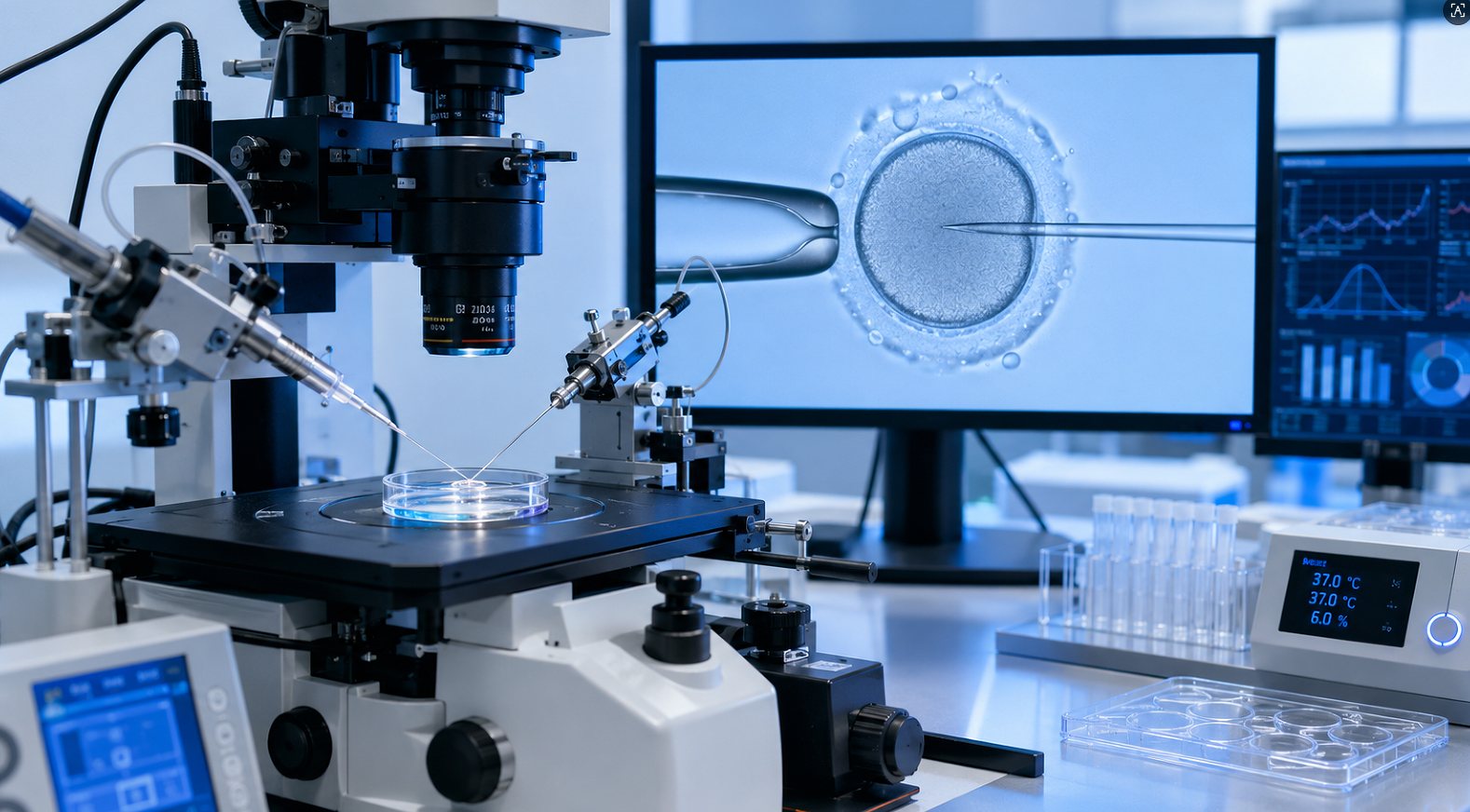
The warming procedure is performed according to laboratory protocols. Embryos are removed from their carrier and moved through solutions that help them adjust to temperature and osmotic changes. Timing, temperature, sequence and exposure duration must be controlled.
After warming, embryologists assess embryo condition, including cell integrity, expansion, survival and suitability for transfer. For blastocysts, re-expansion may be observed before transfer timing is confirmed.
Patients often ask about survival rates. Results depend on embryo quality, freezing stage, vitrification technique, storage management, warming procedure and individual circumstances. A modern laboratory may achieve strong survival performance, but no outcome should be guaranteed.
Embryo thawing must be coordinated with uterine lining preparation and transfer scheduling. If timing is poor, workflow may be affected. For cross-border patients, travel, medication, time zones and clinic schedules should be carefully planned.
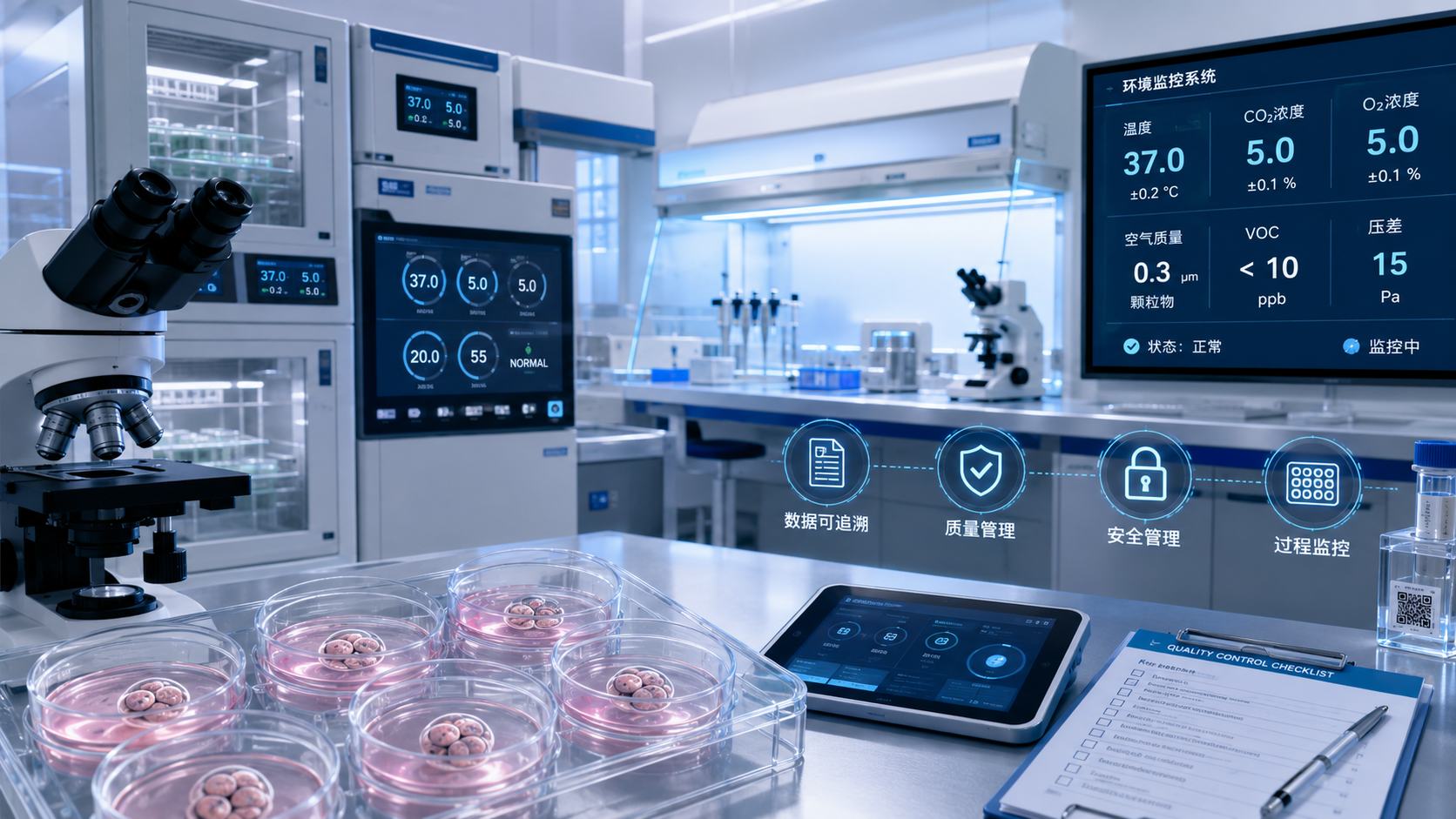
Risk management includes preventing identity errors, storage location mistakes, handling errors, equipment problems and incomplete documentation. Laboratories use SOPs, training, double witnessing, equipment maintenance, emergency plans and incident reporting to reduce risk.
Patients may ask who performs the warming, how embryos are verified, how embryo condition is assessed and what happens if an embryo does not survive. Clear communication reflects laboratory maturity.
Embryo thawing is a critical step before frozen embryo transfer. It requires both technical capability and quality management. This article is for educational purposes only and does not constitute medical advice.
This article is published by the WFA knowledge editorial team for informational purposes only and does not constitute medical advice. Please consult a licensed healthcare provider in your jurisdiction for clinical guidance.