What Is Egg Freezing? A Guide to Oocyte Cryopreservation and Fertility Preservation
Egg freezing, or oocyte cryopreservation, is a fertility preservation option that may help some women preserve reproductive choices for the future. It should be understood as a possibility, not a guarantee.
Egg freezing, medically known as oocyte cryopreservation, is a process in which eggs are retrieved, frozen and stored for possible future use in assisted reproduction. It has received increasing attention worldwide as more women consider fertility preservation because of medical treatment, age-related concerns, education, career plans or personal circumstances.
Egg freezing should not be understood as a guarantee of future pregnancy. It is a medical technology that may preserve reproductive options for some women. Future outcomes still depend on age, egg number, egg quality, sperm source, embryo development, uterine conditions, laboratory quality and applicable laws.
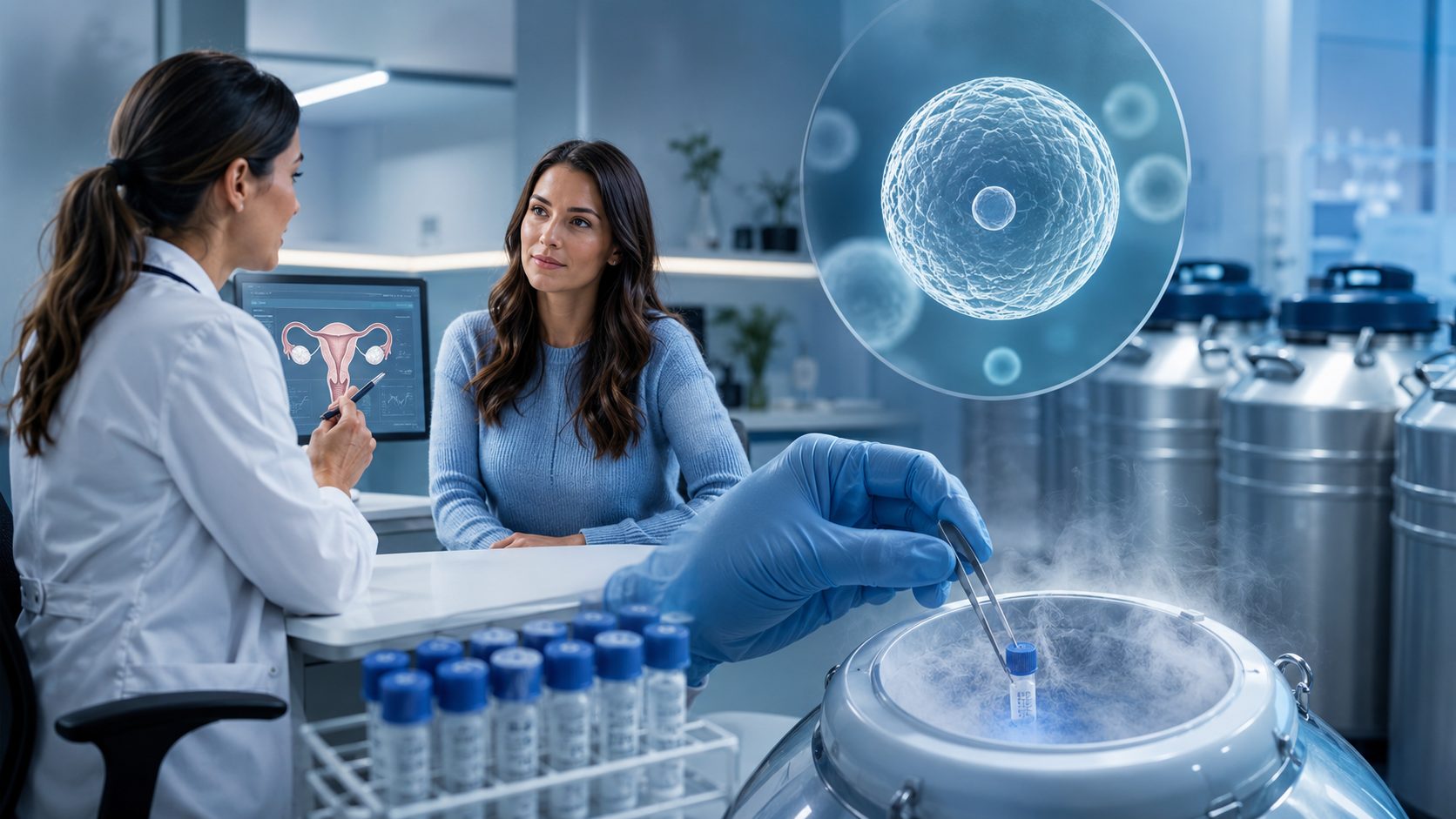
The process usually begins with fertility assessment. Physicians may evaluate age, menstrual history, ultrasound findings, hormone levels, AMH and antral follicle count. These results help estimate ovarian reserve and possible response to stimulation. The purpose is not simply to decide whether someone can freeze eggs, but to support discussion about timing, expected egg yield and future use.
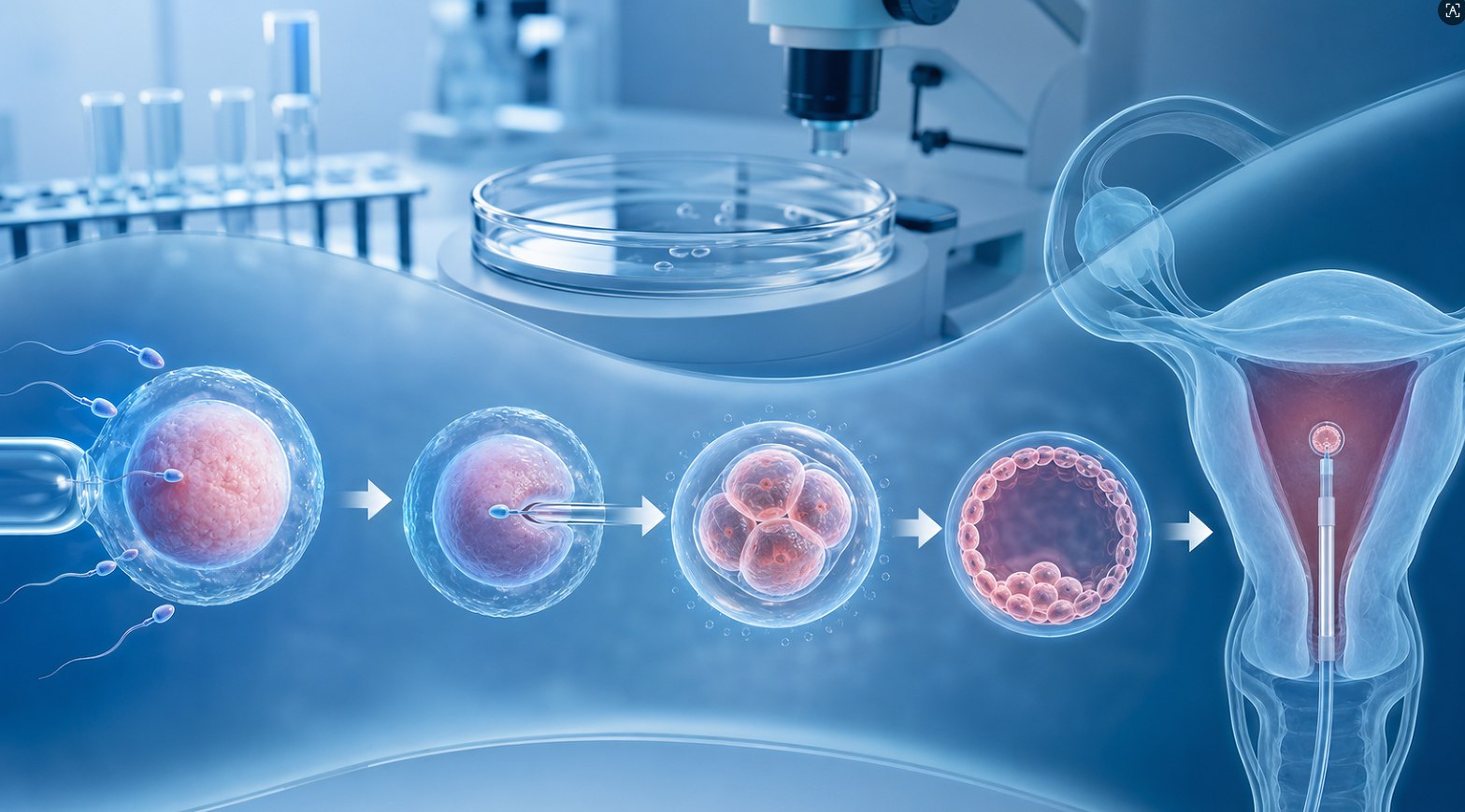
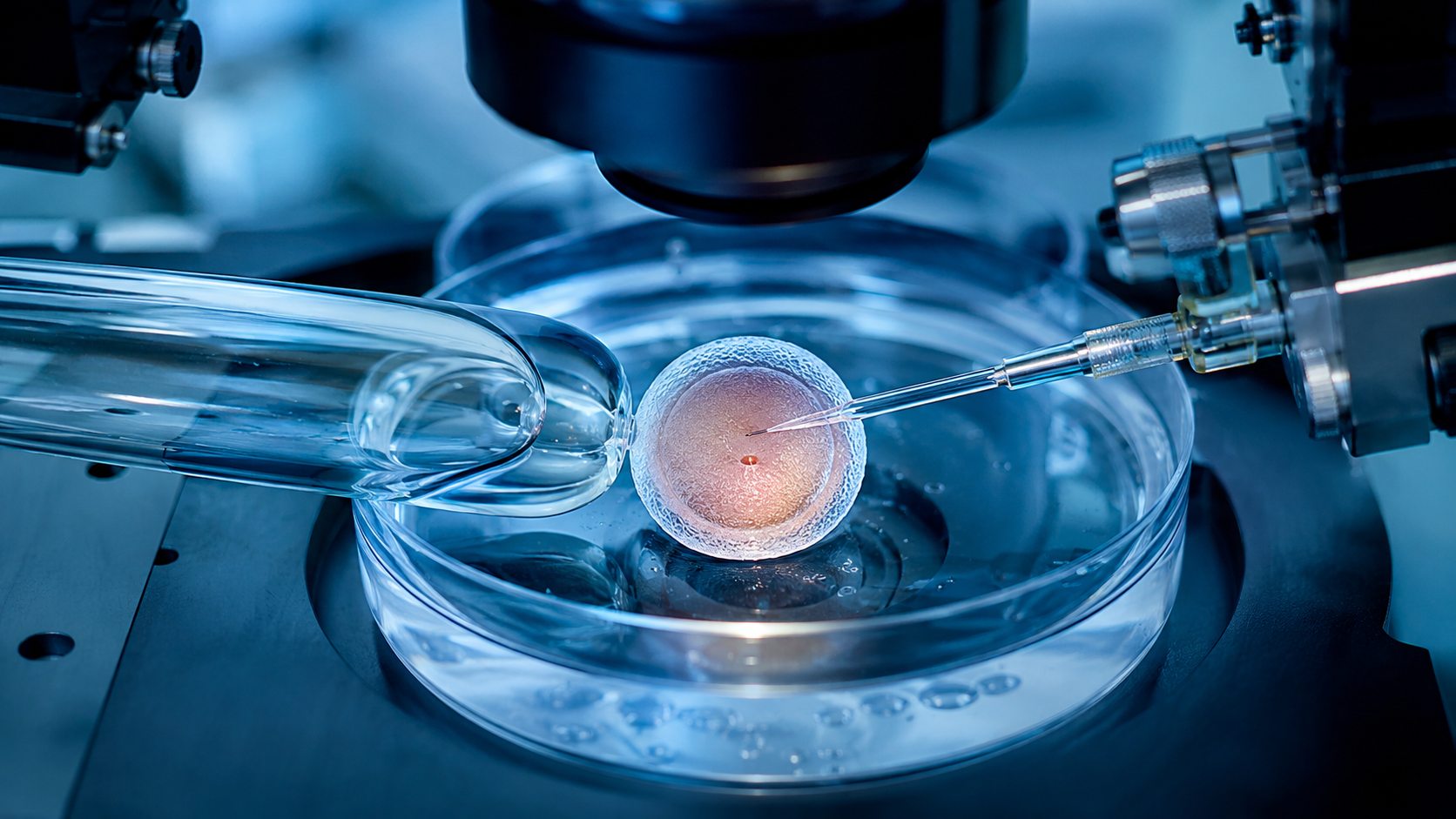
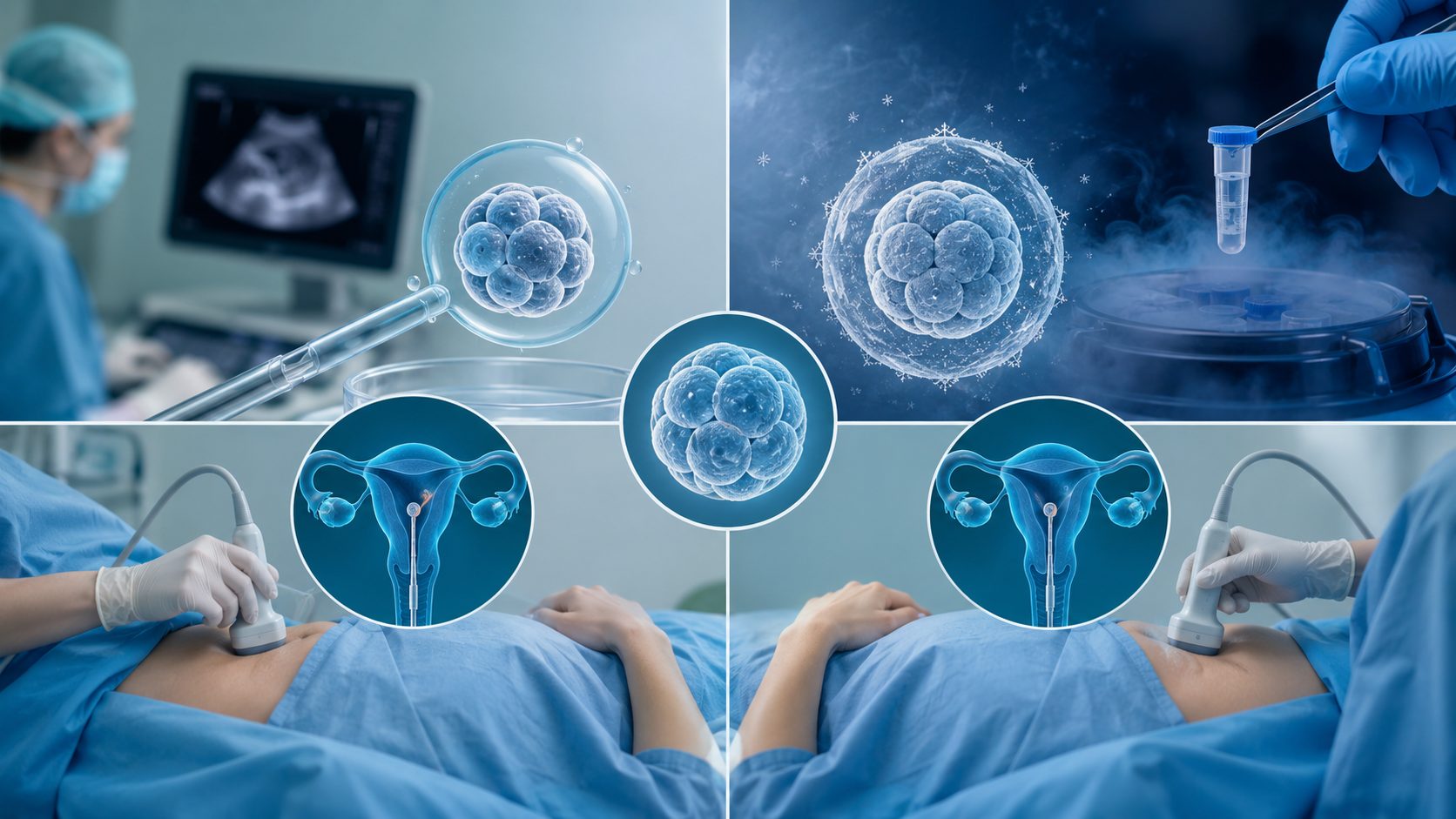
If the patient proceeds, ovarian stimulation is started. Medications are used to encourage multiple follicles to develop, and monitoring is performed through ultrasound and hormone testing. When follicles are ready, egg retrieval is scheduled. Mature eggs are then assessed in the laboratory and frozen using vitrification techniques.
If the eggs are used in the future, they must be thawed, fertilized with sperm, cultured as embryos and considered for transfer based on medical evaluation. Egg freezing is therefore an early step in a possible future assisted reproduction process, not a completed fertility treatment.
Egg freezing may be considered for medical or planned reasons. Medical fertility preservation may be relevant before cancer treatment, ovarian surgery or other interventions that may affect fertility. Planned egg freezing may be considered by women who are not ready to have children but want to preserve future reproductive options.
Age is one of the most important factors. Egg quantity and quality generally decline with age. Eggs frozen at a younger age may have greater potential value, but there is no universal answer to how many eggs are enough. Future success depends on thaw survival, fertilization, embryo development, transfer and pregnancy factors.
Egg freezing also involves uncertainty and risk. These may include medication response, retrieval-related discomfort, ovarian hyperstimulation risk, storage costs and emotional pressure. In the future, not all frozen eggs may survive thawing, not all surviving eggs may fertilize, and not all embryos may be suitable for transfer.
Cross-border egg freezing requires additional attention. Laws differ across countries regarding eligibility, storage duration, use by single women, sperm use, embryo creation and transport. Patients should confirm clinic licensing, laboratory quality, long-term storage fees, privacy protection and future use conditions.
Egg freezing can be a valuable fertility preservation option, but it should be understood as a possibility rather than a promise. This article is for educational purposes only and does not constitute medical advice.
This article is published by the WFA knowledge editorial team for informational purposes only and does not constitute medical advice. Please consult a licensed healthcare provider in your jurisdiction for clinical guidance.