What Is ICSI? How Intracytoplasmic Sperm Injection Is Used in IVF Laboratories
ICSI is a laboratory micromanipulation technique in which a single sperm is injected directly into a mature egg. It is often considered in selected cases involving male factor infertility or previous fertilization difficulties.
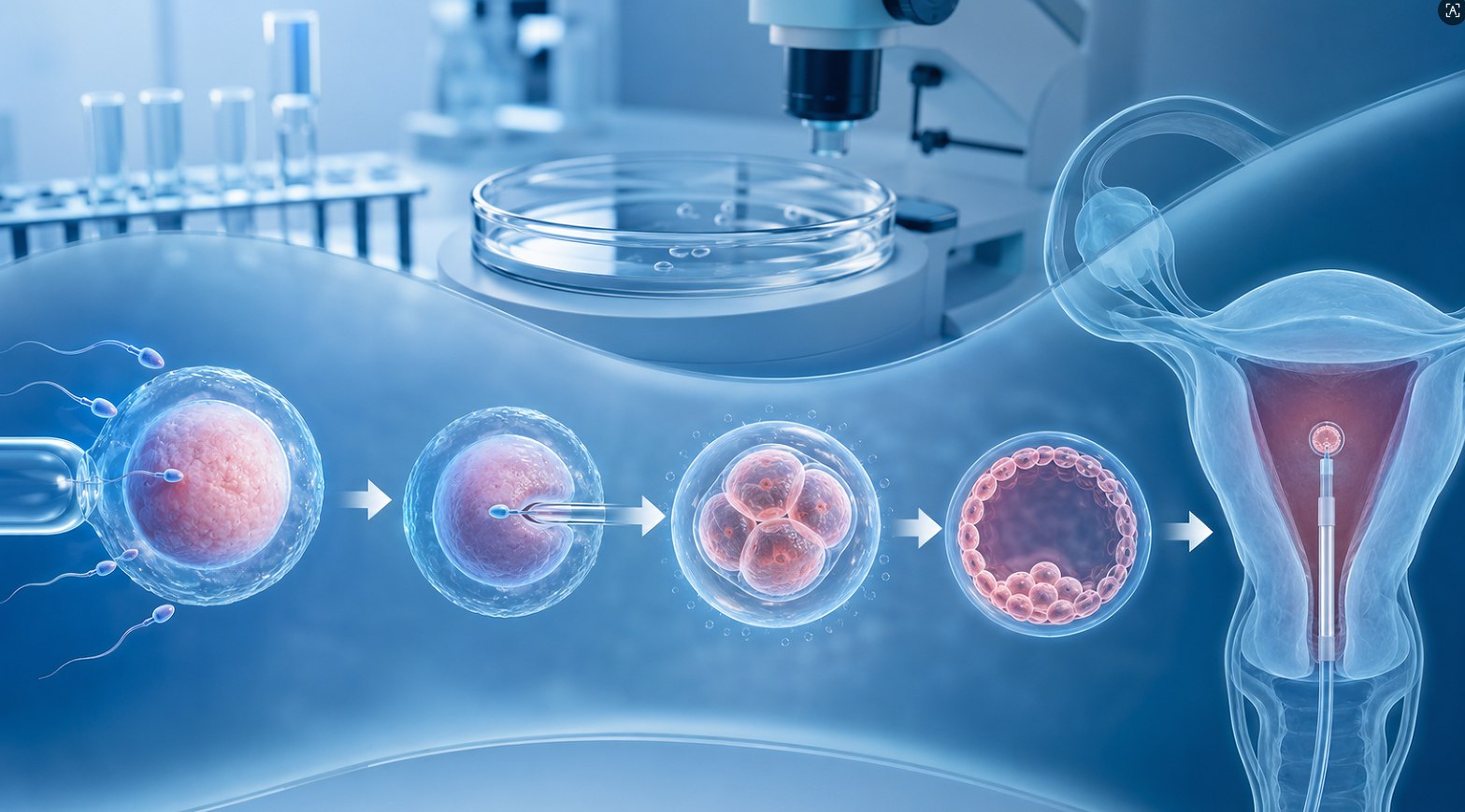
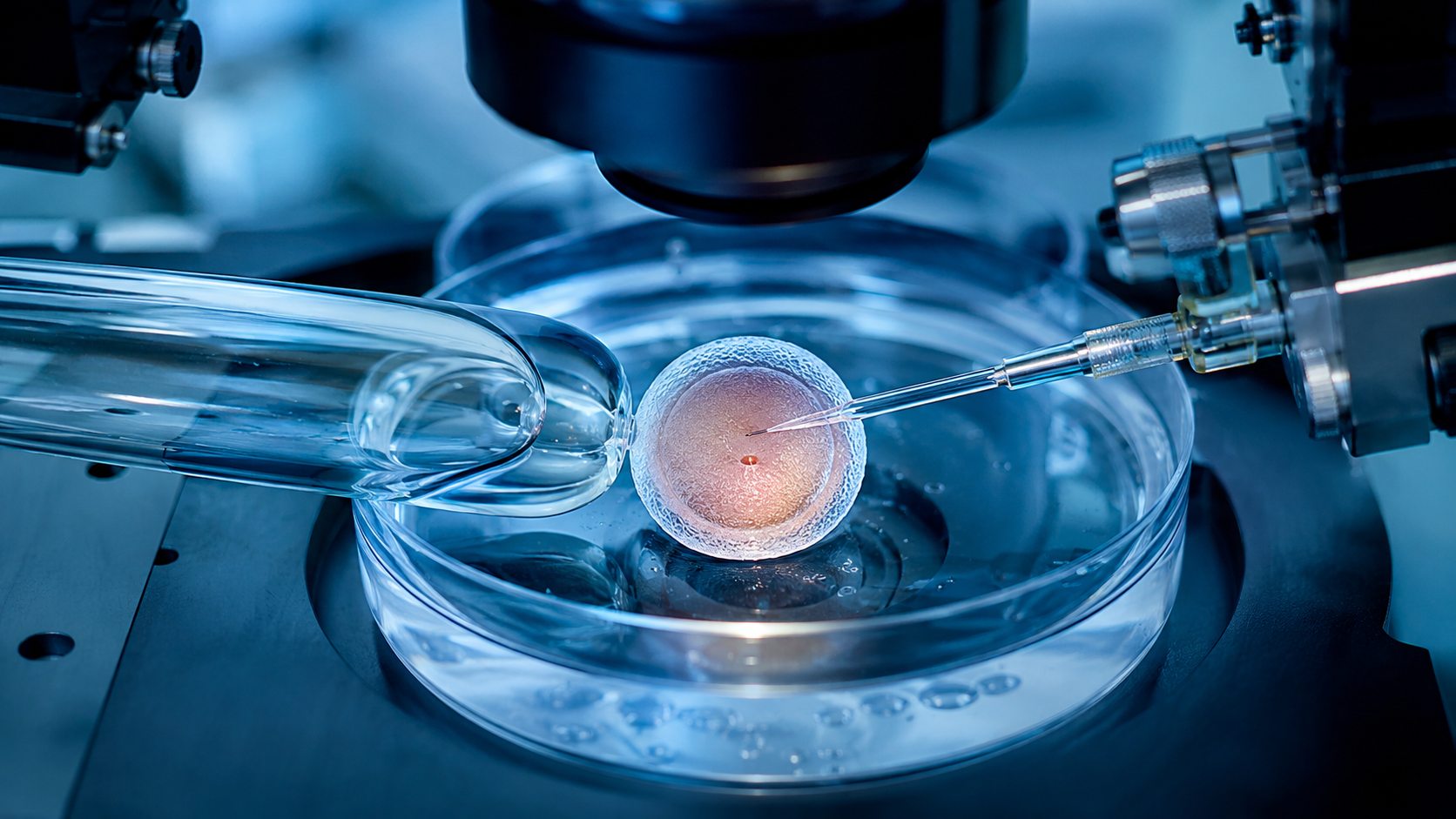
ICSI, or intracytoplasmic sperm injection, is a micromanipulation technique used in IVF laboratories. During ICSI, an embryologist selects a sperm and injects it directly into a mature egg under a microscope using specialized equipment.
Unlike conventional IVF, where eggs and sperm are placed together in a controlled laboratory environment, ICSI involves a more direct laboratory intervention at the fertilization stage. It is not a separate treatment outside IVF, but a laboratory technique that may be used within an IVF cycle when clinically appropriate.
In conventional IVF, prepared sperm are placed near the eggs and fertilization occurs through sperm interaction with the egg. In ICSI, an embryologist uses a very fine injection pipette to introduce a single sperm into the egg. This process requires careful assessment of egg maturity, sperm preparation, micromanipulation skill, temperature control and laboratory stability.
ICSI is most commonly discussed in relation to male factor infertility. It may be considered when sperm count is low, sperm motility is reduced, sperm morphology is abnormal, fertilization has previously been poor, or sperm must be obtained through special retrieval methods. It may also be considered in some frozen egg cycles or selected cycles involving preimplantation genetic testing, depending on clinical and laboratory judgment.
However, ICSI is not automatically better for every IVF patient. It primarily addresses certain fertilization-related challenges. Pregnancy outcomes still depend on age, egg quality, sperm quality, embryo development, uterine conditions, laboratory quality and overall health. If there is no clear fertilization issue, the use of ICSI should be discussed carefully.
For fertility centers, ICSI reflects laboratory capability. It requires appropriate equipment, trained embryologists, stable environmental control, identity verification systems and detailed documentation. The ability to perform ICSI safely depends not only on devices, but also on workflow, training and quality management.
Patients may ask why ICSI is being recommended, whether there is a specific indication, what alternatives exist, whether there are additional costs and how the laboratory manages quality control. Cross-border patients should also understand whether rules and pricing differ between countries and clinics.
ICSI is an important IVF laboratory technique, especially in selected cases involving male factor infertility or previous fertilization difficulties. But it should not be presented as a universal solution or a guaranteed improvement. This article is for educational purposes only and does not constitute medical advice.
This article is published by the WFA knowledge editorial team for informational purposes only and does not constitute medical advice. Please consult a licensed healthcare provider in your jurisdiction for clinical guidance.