
What Is Embryo Transfer? Process, Preparation and Common Questions
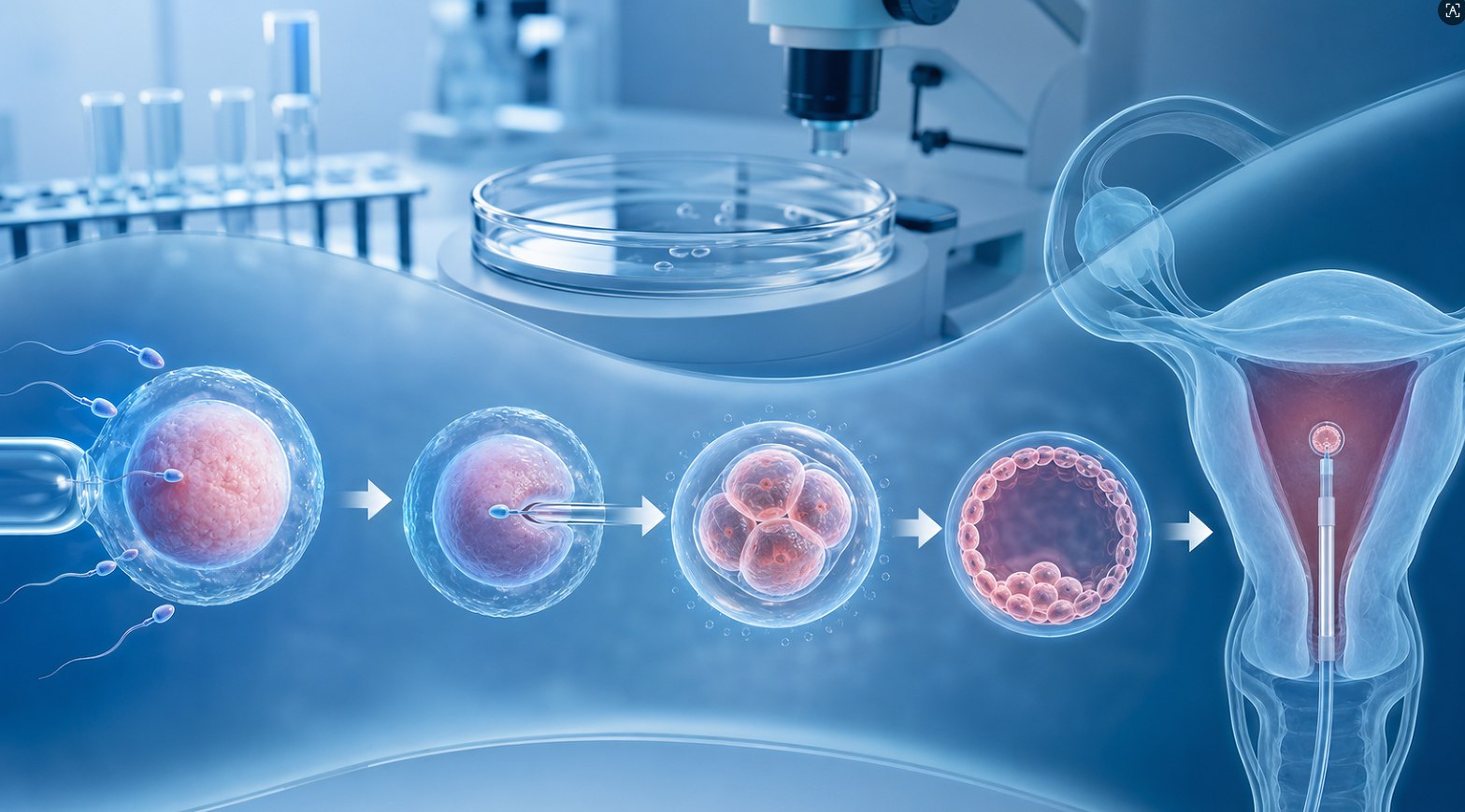
Embryo transfer is the step in an IVF cycle in which a suitable embryo is placed into the uterus. The procedure itself is usually brief, but preparation, embryo selection and follow-up care all matter.
Embryo transfer is a key step in an IVF cycle. It refers to the placement of a suitable embryo into the uterine cavity using a soft transfer catheter under clinical guidance. The procedure itself is usually brief, but it plays an important role in the overall assisted reproduction process.
Patients often think of embryo transfer as the final step. In reality, transfer success depends on many factors, including embryo quality, uterine lining status, timing, clinical technique, patient health and luteal support. Understanding these factors can help patients approach the process more calmly.
Embryo transfer may be performed as fresh embryo transfer or frozen embryo transfer. Fresh transfer occurs in the same cycle as egg retrieval. Frozen embryo transfer occurs in a later cycle after embryos have been cryopreserved and thawed. The choice depends on hormone levels, uterine lining, ovarian response, risk of ovarian hyperstimulation, need for genetic testing and medical judgment.
Before transfer, physicians usually evaluate the endometrium, hormone levels and uterine cavity. In frozen embryo transfer cycles, the lining may be prepared through natural, stimulated or artificial cycles. There is no single best protocol for everyone.
Patients should follow medication and monitoring instructions carefully. They may ask about embryo stage, embryo number, blastocyst culture, genetic testing, multiple pregnancy risk and follow-up arrangements. Cross-border patients should also confirm medical records, embryo identification, language support and travel timing.
On the day of transfer, identity verification and embryo confirmation are important. The physician places the embryo into the uterus using a thin catheter. Mature fertility centers usually follow standardized procedures to reduce unnecessary manipulation and maintain accurate documentation.
After transfer, patients may receive luteal support and follow-up testing. Many patients wonder whether bed rest is necessary. Activity recommendations should follow medical advice. Physical sensations during the waiting period are not reliable indicators of pregnancy. Blood testing remains the standard way to assess early pregnancy.
Embryo transfer is important, but it is not the only factor that determines IVF outcome. Age, embryo development, chromosomal status, uterine receptivity, medical history, laboratory quality and medication adherence can all matter. A failed transfer does not necessarily mean there is no future possibility.
If transfer is unsuccessful, physicians may review embryo information, uterine factors, previous records and individual history. Patients should avoid unverified explanations or unnecessary interventions without medical assessment.
Embryo transfer connects laboratory embryo development with the possibility of pregnancy. It requires coordination among clinicians, embryologists and patients. This article is for educational purposes only and does not constitute medical advice.
This article is published by the WFA knowledge editorial team for informational purposes only and does not constitute medical advice. Please consult a licensed healthcare provider in your jurisdiction for clinical guidance.