What Is IVF? A Global Guide to In Vitro Fertilization
IVF is one of the most widely known assisted reproductive technologies. It involves fertilizing eggs with sperm in a laboratory, culturing embryos, and transferring suitable embryos into the uterus. This article explains IVF from a global and educational perspective.
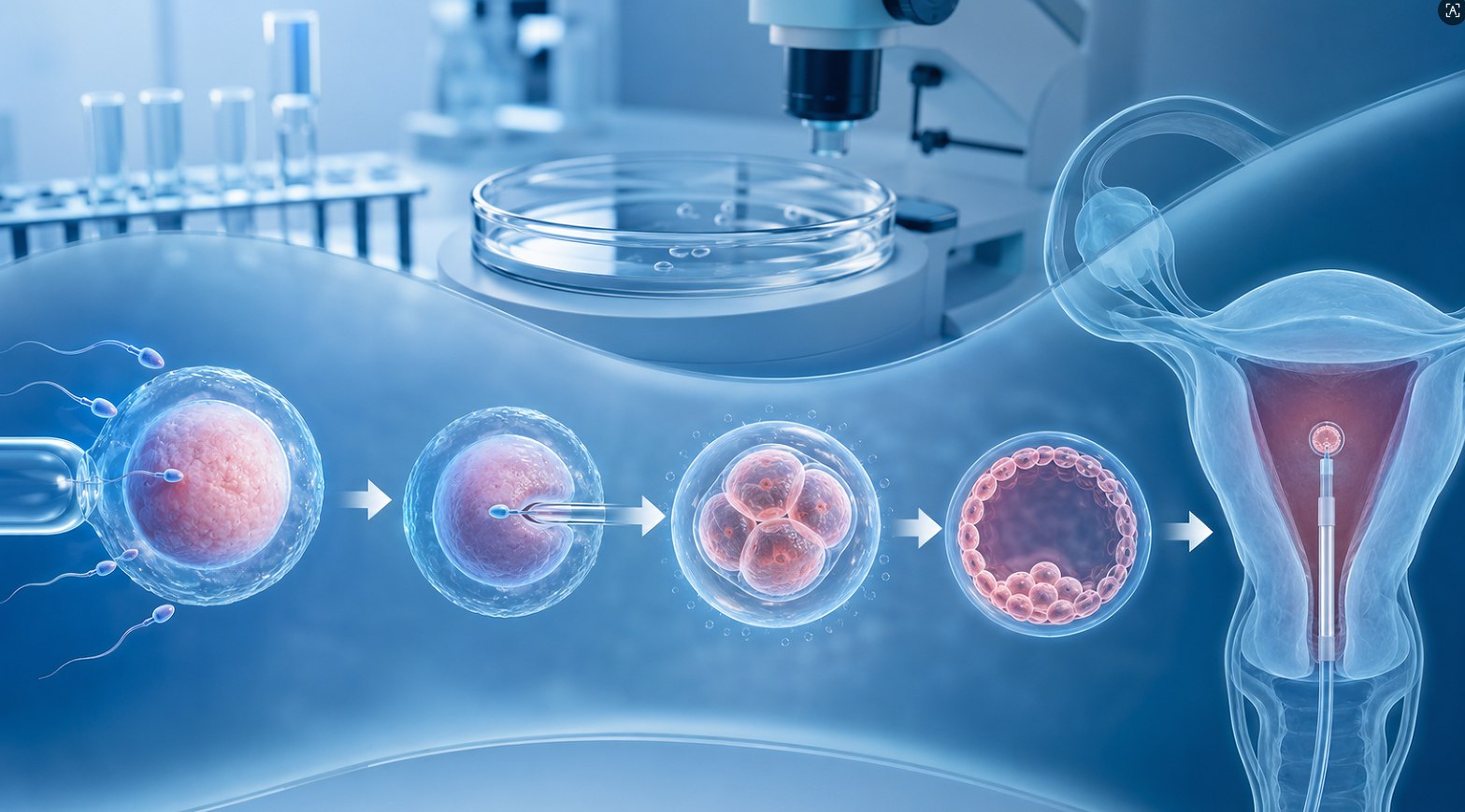
IVF, or in vitro fertilization, is one of the most widely known assisted reproductive technologies. In Chinese, it is often referred to as “test-tube baby,” although the baby does not grow in a test tube. The term means that eggs and sperm are handled outside the body in a laboratory setting. After fertilization and embryo culture, a suitable embryo may be transferred into the uterus under medical supervision.
For many people facing fertility challenges, IVF may provide an important reproductive option. However, IVF is not a single procedure. It is a coordinated medical pathway involving reproductive physicians, embryology laboratories, nurses, genetic counselors, patient support teams and compliance systems. Understanding the full IVF process can help patients make informed decisions and help fertility institutions build more transparent services.
A typical IVF cycle usually begins with fertility assessment. Physicians may evaluate age, menstrual history, ovarian reserve, hormone levels, ultrasound findings, medical history and semen analysis. Some patients may also require assessment of the fallopian tubes, uterine cavity, genetic risks, recurrent pregnancy loss or previous fertility treatment history.
If IVF is appropriate, ovarian stimulation may be started. The purpose of stimulation is to encourage multiple follicles to develop in one cycle, so that more eggs may be available for fertilization. During stimulation, patients usually undergo ultrasound and hormone monitoring. Medication may be adjusted according to follicle growth and individual response.
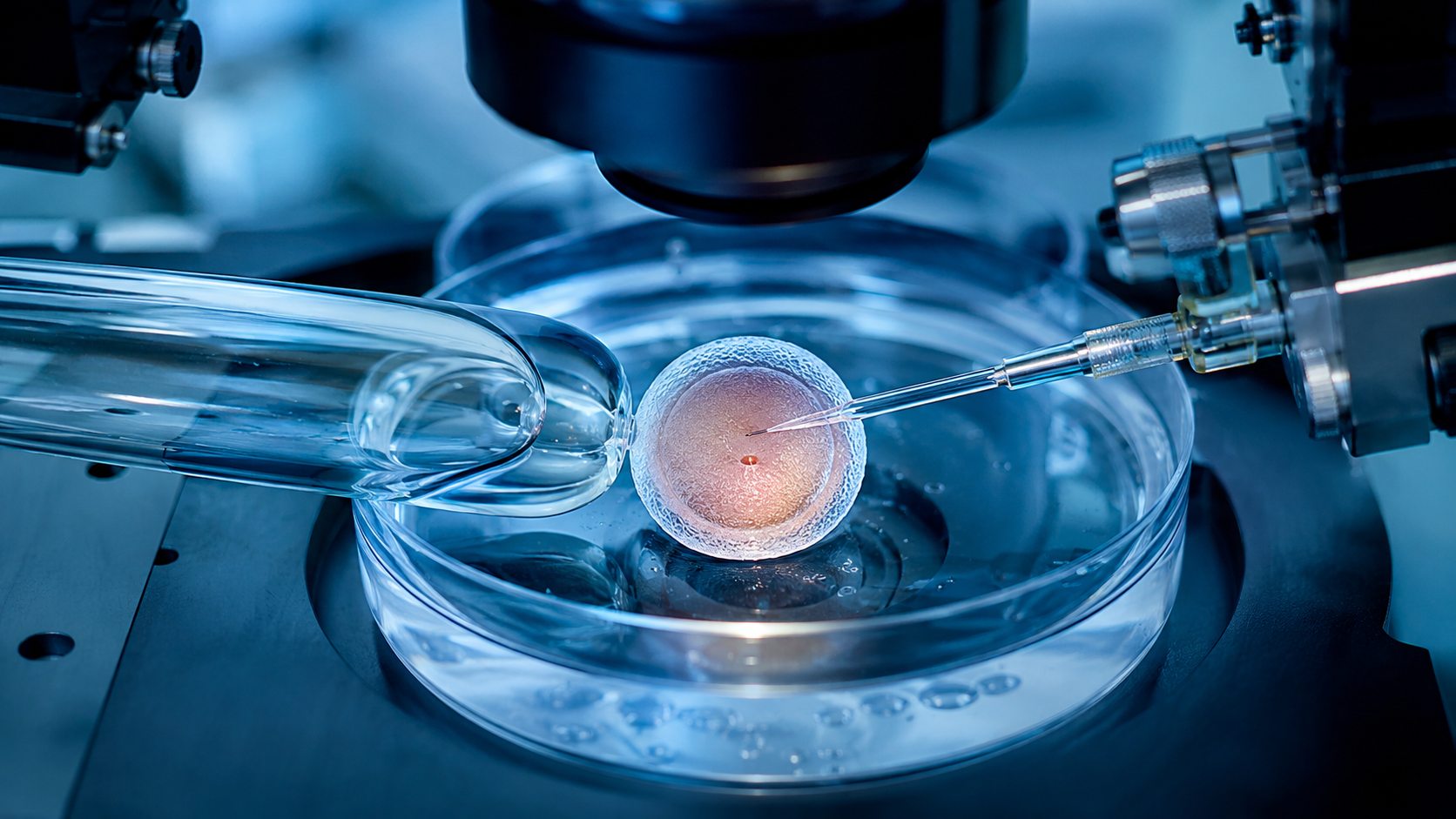
When follicles are ready, egg retrieval is performed under medical guidance. Retrieved eggs are transferred to the embryology laboratory. A sperm sample is also prepared and processed. Depending on the clinical situation, fertilization may be performed through conventional IVF or through ICSI, in which a single sperm is injected into a mature egg.
After fertilization, embryos are cultured in the laboratory for several days. Embryologists observe embryo development, cell division, morphology and quality indicators. In some cases, embryo freezing, blastocyst culture or preimplantation genetic testing may be considered. Decisions about embryo transfer, freezing and further testing should be made based on age, embryo development, uterine conditions, local law and medical advice.
IVF may be considered in situations involving tubal factor infertility, ovulation disorders, endometriosis-related infertility, male factor infertility, unexplained infertility or unsuccessful previous treatment. It may also be evaluated for patients of advanced reproductive age, those with reduced ovarian reserve, repeated implantation failure, recurrent pregnancy loss or known genetic risks.
However, IVF is not necessarily the first or only option for every fertility problem. Some patients may benefit from medication, intrauterine insemination, surgery or other approaches. Whether IVF is appropriate should be assessed by qualified reproductive medicine professionals based on complete medical information.
IVF outcomes are influenced by many factors. Female age is one of the most important factors because egg quantity and quality are closely related to age. Ovarian reserve, sperm quality, embryo development, uterine receptivity, laboratory quality, physician experience, medical history and lifestyle may also affect results.
Laboratory quality is central to IVF care. Temperature, gas concentration, culture media, incubator stability, air quality, micromanipulation techniques, sample identification and embryo documentation all matter. High-quality IVF care depends not only on clinical consultation but also on embryology, nursing, cryostorage, data management and risk control.
Patients should interpret success rates carefully. Different clinics may report results based on different age groups, cycle types, statistical definitions and patient populations. A single success-rate number should not be treated as a guarantee. Responsible fertility providers should explain how data are calculated and what they may or may not mean for an individual patient.
Cross-border IVF requires additional attention. Patients considering treatment in another country should understand legal requirements, clinic licensing, medical records, travel arrangements, costs, embryo or gamete storage rules, privacy protection and follow-up care. Laws regarding single women, same-sex couples, embryo testing, egg donation, sperm donation, embryo storage and parentage may vary widely.
Before starting IVF, patients may ask several key questions: Am I a suitable candidate for IVF? Are there other treatment options? What do my age and test results suggest? Is ICSI or PGT relevant? How does the laboratory manage quality control? How are embryos stored? What is included in the cost? What happens if the cycle is not successful?
IVF is a highly specialized and individualized medical service. It may create new possibilities for some families, but it should not be described as a guaranteed solution. This article is for educational purposes only and does not constitute medical advice. Diagnosis and treatment decisions should be made by qualified medical professionals based on individual circumstances.
This article is published by the WFA knowledge editorial team for informational purposes only and does not constitute medical advice. Please consult a licensed healthcare provider in your jurisdiction for clinical guidance.